Museums and galleries play a vital role in promoting cultural education by providing a platform for learning, exploration, and appreciation of art, history, and various aspects of human civilization. These institutions serve as spaces where individuals can engage with diverse cultural artifacts, exhibitions, and educational programs that offer valuable insights into different societies and traditions. Through interactive exhibits, curated displays, and educational initiatives, museums and galleries contribute significantly to enriching people’s understanding of the world around them and fostering a deeper appreciation for cultural diversity.
Preserving Cultural Heritage
One of the primary ways in which museums and galleries promote cultural education is by preserving and showcasing cultural heritage. These institutions house collections of art, artifacts, documents, and objects that represent the rich history and traditions of various civilizations. By curating exhibitions that highlight different aspects of cultural heritage, museums offer visitors an opportunity to learn about the customs, beliefs, and artistic expressions of different societies. Through these displays, individuals can gain a deeper understanding of the cultural significance of these artifacts and their role in shaping our shared human experience.
Educational Programs and Workshops
Museums and galleries organize a wide range of educational programs and workshops aimed at engaging visitors of all ages and backgrounds. These programs are designed to provide hands-on learning experiences that allow participants to explore different themes, concepts, and artistic techniques. From guided tours and lectures to art-making workshops and interactive activities, museums offer a diverse array of educational opportunities that cater to the interests and learning styles of their audiences. By participating in these programs, visitors can deepen their knowledge, develop new skills, and gain a greater appreciation for the cultural value of art and history.
Promoting Cross-Cultural Understanding
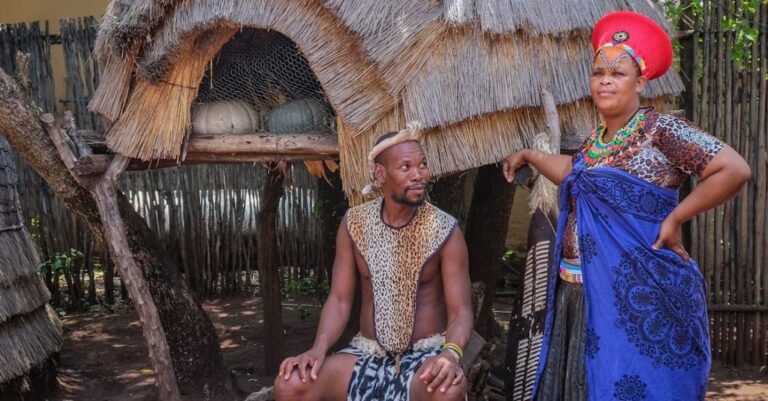
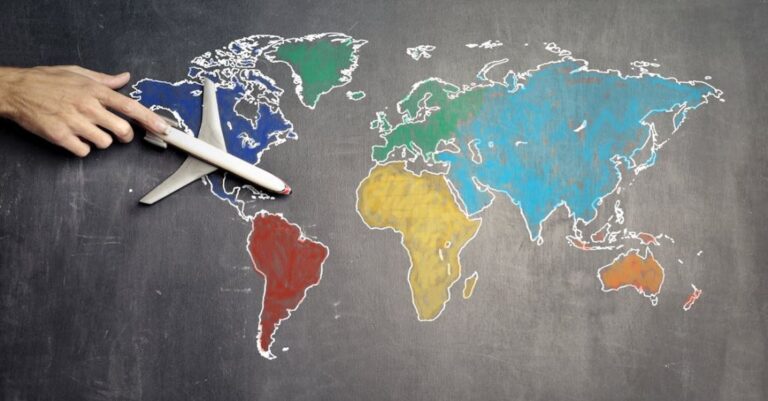
Another key role of museums and galleries in promoting cultural education is fostering cross-cultural understanding and dialogue. These institutions serve as spaces where people from different backgrounds can come together to engage with diverse perspectives, traditions, and narratives. By showcasing art and artifacts from around the world, museums encourage visitors to explore and appreciate the cultural diversity that exists globally. Through exhibitions that highlight the interconnectedness of different cultures and histories, museums promote empathy, tolerance, and respect for cultural differences, contributing to the development of a more inclusive and interconnected society.
Engaging the Community
Museums and galleries actively engage with the community by collaborating with schools, universities, cultural organizations, and local groups to develop educational initiatives and outreach programs. These partnerships enable museums to reach a broader audience and create meaningful connections with diverse communities. By offering free admission days, school tours, family programs, and special events, museums and galleries ensure that cultural education is accessible to everyone, regardless of their socio-economic background. Through these community engagement efforts, museums play a crucial role in promoting lifelong learning, curiosity, and appreciation for the arts and culture.
Inspiring Creativity and Critical Thinking
By providing a space for creative expression and critical thinking, museums and galleries inspire visitors to explore new ideas, perspectives, and ways of seeing the world. Through thought-provoking exhibitions, interactive installations, and innovative programs, museums encourage visitors to question assumptions, challenge conventions, and engage in meaningful dialogues about art, history, and culture. By fostering a spirit of curiosity, creativity, and inquiry, museums and galleries empower individuals to think independently, express themselves creatively, and cultivate a lifelong passion for learning and exploration.
In conclusion, museums and galleries are invaluable institutions that play a crucial role in promoting cultural education. By preserving cultural heritage, offering educational programs, promoting cross-cultural understanding, engaging the community, and inspiring creativity and critical thinking, these institutions enrich people’s lives, broaden their perspectives, and foster a deeper appreciation for the diversity and complexity of human culture. As we continue to navigate an increasingly interconnected and diverse world, museums and galleries serve as beacons of knowledge, creativity, and understanding, shaping the way we perceive and engage with the cultural landscape around us.